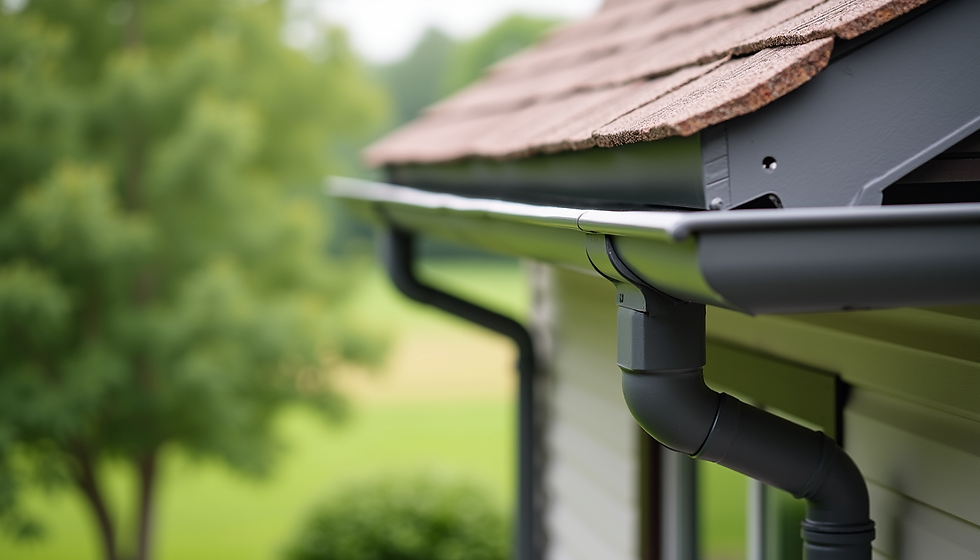
Summer Gutter Maintenance in Green Bay: Is Your Gutter System Storm Ready?

Summer storms can turn a small gutter problem into a visible home repair issue in minutes. A short downpour may be all it takes to reveal clogged downspouts, sagging sections, poor drainage, or water pooling too close to the foundation.
In Northeast Wisconsin, summer often brings warm days, fast-moving storms, heavy rain, and strong winds. Your gutters may not be the first part of the house you check before storm season, but they do a lot of work every time rain hits the roof.
A gutter system that looks fine from the ground can still hide leaves, roof grit, seed pods, loose fasteners, or pitch problems. That is why summer gutter maintenance in Green Bay matters before the next round of storms rolls through.
Why summer storms expose gutter problems
Summer storms can drop a lot of rain in a short period of time. Your gutters need to collect that water, carry it to the downspouts, and move it safely away from the home.
When the system is clogged, damaged, undersized, or poorly pitched, water does not follow the right path. It may spill over the front edge, leak behind the gutter, or pour out near the foundation.
That extra water can cause several problems around the home, including:
Water collecting near the foundation
Soil and mulch washing away
Stains on siding, fascia, or trim
Water entering behind the gutter system
Basement or crawl space moisture
Damage to flower beds and landscaping
One storm may not cause major damage right away. Repeated storms can make small drainage issues worse, especially if water keeps landing in the same place.
Signs your gutters may need attention
You do not need to climb a ladder during bad weather to spot many gutter problems. In fact, it is safer to watch from the ground during or shortly after rain.
Look for these warning signs:
Water spilling over the gutter edge
This often means leaves, shingle grit, or other debris are blocking the flow.
Water pouring from seams or corners
Leaks at joints can point to worn sealant, loose connections, or damaged gutter sections.
Sagging or pulling away from the house
Gutters can loosen when fasteners fail, debris gets too heavy, or water sits inside the trough.
Downspouts that barely drain
If little or no water exits during a storm, the downspout may be clogged.
Erosion below the roofline
Washed-out mulch, exposed soil, or trenches in landscaping often show where water is overflowing.
Peeling paint or staining on fascia
Water behind the gutter can damage trim and create stains over time.
Pooling water near the foundation
Downspouts may be too short, poorly placed, or blocked at the outlet.

What to check before the next storm
A simple inspection can help you find problems before heavy rain makes them harder to ignore. If you can do it safely from the ground, walk around the home and look at each gutter run and downspout.
Pay close attention to:
Gutter sections that look uneven
Areas where the gutter pulls away from the fascia
Missing or loose hangers
Rust, cracks, dents, or holes
Downspout outlets blocked by leaves, grass, or mulch
Water marks on siding below the gutter
Soil that has washed away near splash blocks or extensions
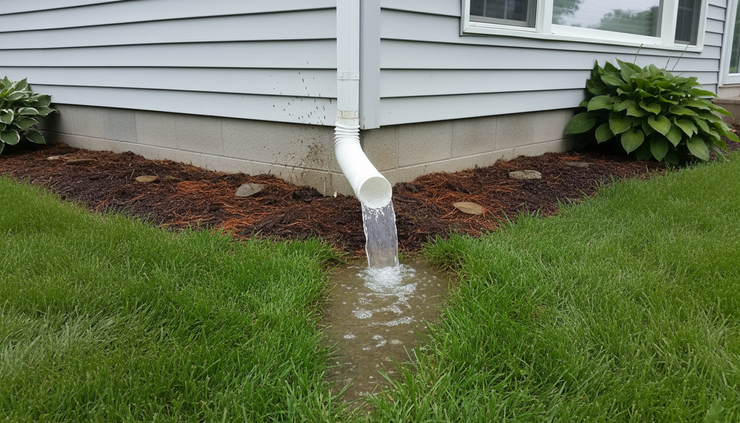
After a rain, check where the water went. The goal is simple: rainwater should move away from the house, not back toward it.
If water collects near the foundation, extend the downspout farther from the home. If it runs toward a sidewalk, driveway, or low spot, the drainage path may need to be adjusted.
Cleaning and repair make a big difference
Clean gutters move water faster. That matters during summer storms, when a slow-draining system can overflow quickly.
Basic gutter maintenance may include removing leaves and debris, flushing downspouts, resealing small leaks, tightening loose hangers, and checking the slope of each gutter run. If water stands inside the gutter after rain, the pitch may be off.
Some issues are easy to see but harder to fix correctly. For example, a gutter that sags in the middle may need more than a quick adjustment. It could have weakened fasteners, damaged fascia, or too much weight from trapped debris.
Downspouts also deserve attention. Even clean gutters will not work well if the downspouts are clogged or draining too close to the house. Extensions, splash blocks, or underground drainage may help guide water away from trouble areas.
When to call a gutter professional
Some gutter problems are best handled by a professional, especially if they involve height, roof edges, damaged fascia, or repeated drainage trouble.
A professional inspection can help identify issues such as:
Improper gutter pitch
Loose or failing hangers
Seams that keep leaking
Downspouts that are too small or poorly placed
Gutters that are too small for the roof area
Fascia damage behind the gutter
Drainage patterns that send water toward the foundation
It is also a good idea to ask for help if you see the same problem every time it rains. Overflow in one corner, recurring basement dampness, or constant soil erosion can point to a bigger drainage issue.
Safety matters during summer gutter maintenance
Gutter cleaning can seem like a simple weekend task, but ladders and wet surfaces create real risk. Do not inspect or clean gutters during a storm. Avoid leaning from a ladder, stepping onto a wet roof, or working near power lines.
If you choose to do basic checks yourself, keep them simple and safe:
Inspect from the ground when possible
Use binoculars for roofline details
Wait until the weather clears
Keep ladders on stable, level ground
Have another adult nearby if ladder work is needed
Stop if the gutter is too high, damaged, or hard to reach
There is no repair worth a fall. If the job feels unsafe, bring in a trained gutter professional.
A storm-ready gutter system protects more than the roofline
Gutters do more than keep rain from dripping over the porch. They help protect the whole structure by controlling where roof runoff goes.
Before the next summer storm, take time to look for overflow, sagging, leaks, clogs, and poor drainage around the foundation. Small fixes now can help prevent bigger problems later, especially during the heavy rain and thunderstorms common in Northeast Wisconsin.
A clean, secure, properly draining gutter system gives rainwater a clear path away from your home. That is the goal of storm preparation, and it is one of the simplest ways to help protect your roof, siding, landscaping, and foundation this summer.